Numerous newspaper articles praised Rylstone’s solid public buildings and the excellent quality and colour of the sandstone. Enough reason to enter Rylstone stone in the Sydney International Exhibition at the Garden Palace in 1879. And win first prize.
Category: Rylstone
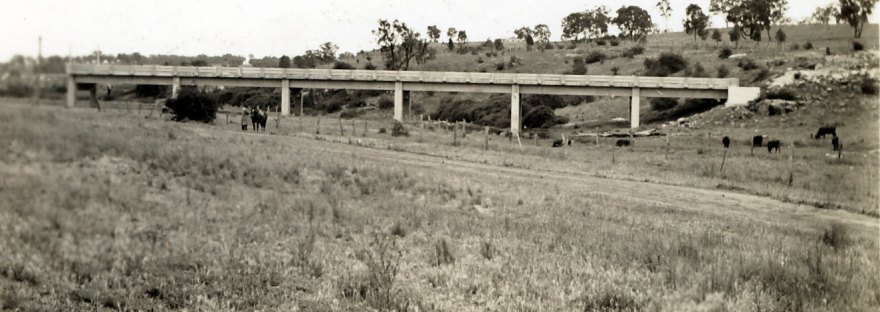
Imagine There’s No Bridge
On 11 October of that year, 1862, 300 inhabitants of the ‘usually quiet little township’ (almost the population) celebrated the opening of their ‘beautiful new bridge’ on a ‘gloriously fine day' when ‘the heavens looked blue and the earth smiled green’.
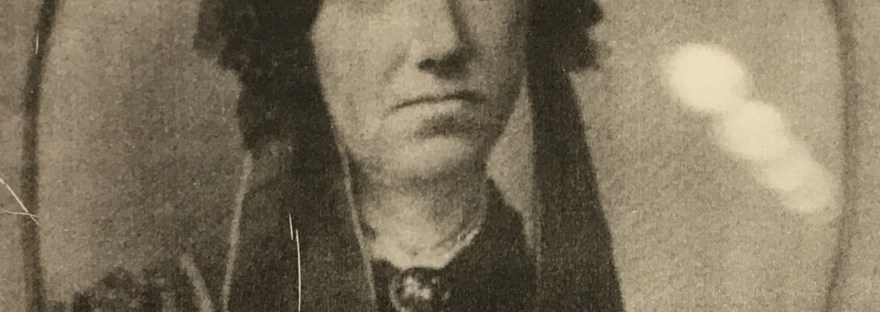
In Memory of Sarah Howe
Their generation and their parents’ were referred to as currency lads and lasses. These free young colonials were thriving in the climate and landscape of Sydney, judged to be fitter, healthier and happier than their forbears.
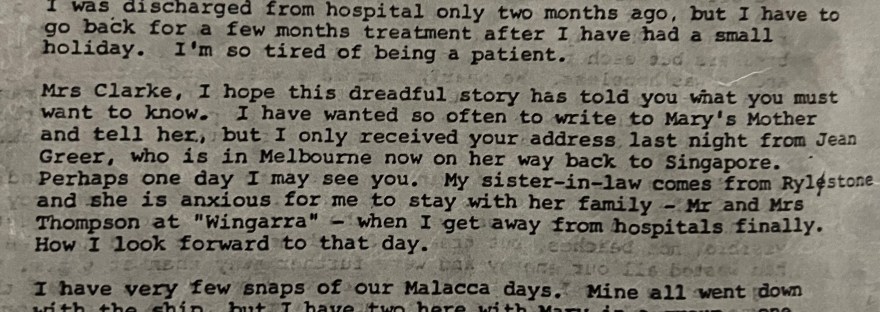
A Mother’s Solace
One day in late January 1947 Flora opened a typed two-page letter that began, ‘Dear Mrs Clarke…I was a friend of your daughter Mary...was with her when she was last seen.’
Solace in a Church
The year St James was completed, 1858, was one of the darkest in its history.
Solace in a Stained-Glass Window
Light of the World, the largest window, the oldest, set in the most prominent place behind the altar and, at that time, probably the most recognised...It was the subject of sermons, speeches, letters to the editor and news articles. Over 300,000 people saw it at Sydney Art Gallery.
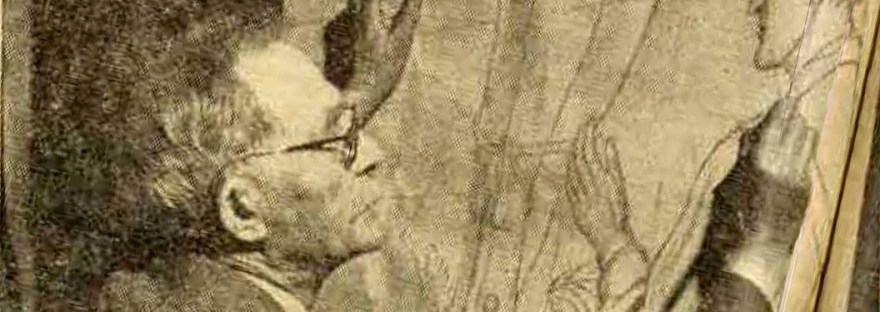
A Constipated Hippopotamus
"A book rather gets its hands around your throat and shakes you until your fillings fall out."
Dogged Determination for Rylstone Railway
A timber railway station at Rylstone is a conundrum. All other stations on the line, large and small, were brick: Piper’s Flat, Ben Bullen, Capertee, Clandulla, Lue, Wallerawang and Mudgee. Most of the public buildings in Rylstone were built of stone.
Food and Fantasy in a Greek Café
The Greeks in Australia learnt by osmosis that a café was a good way to earn a living and give them financial security – a café, that is, that served Australian cuisine, not Greek.
Our First Government House
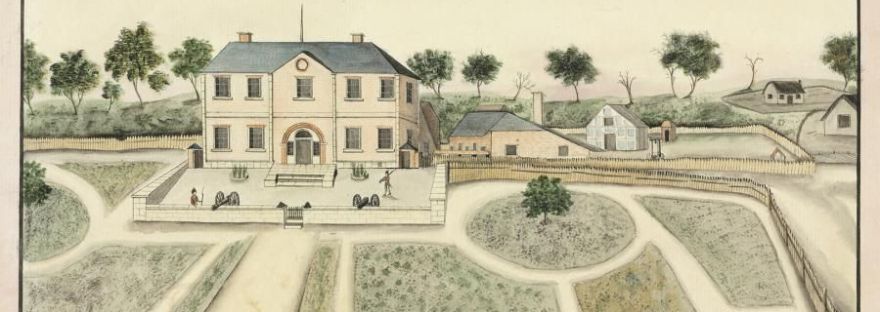
Concerns were raised which led to an archaeological survey. It revealed the fragile remains of the first government house - the only in situ remains from the first year of British settlement.
Dabee Country
They were absentee landowners, colonial gentry, fraternising with their peers, making deals, raising capital and writing letters to public officials and newspapers. They paid an overseer to manage their holding.